全ポケモンレア度ランキング
ポケモンの出現頻度の一覧を掲載しています。捕まえたポケモンがレアなのかどうかを確認するときの参考にご利用ください。
未確認ポケモン
入手方法は不明で目撃情報のない伝説級のポケモン達です。
 メタモン
メタモン フリーザー
フリーザー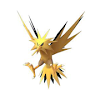 サンダー
サンダー ファイヤー
ファイヤー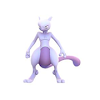 ミュウツー
ミュウツー ミュウ
ミュウどんなイベントとかで実装されるのかわかりませんが、ミュウツーはプロモでタイムズスクエアを飛び回っていて、みんながスマホで捕獲する様子が映されていました。伝説級のポケモンがそんなイベント状態になるとミニリュウ祭り再発で大変なことになりそうです。どこのジムを見てもこのポケモンだらけになるとか想像したくないですねぇ。
地域限定のポケモン
地域限定のポケモンです。
 ガルーラ
ガルーラ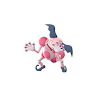 バリヤード
バリヤード ケンタロス
ケンタロスカモネギ:日本(アジア)
ガルーラ:オーストラリア
バリヤード:ヨーロッパ
ケンタロス:北米
日本ではカモネギを見つけることができます。
また、5kmタマゴからふ化することもあります。
たまごをふ化させまくりましょう。
レア度10
非常に珍しく見つけることは困難です。
 フシギバナ
フシギバナ リザードン
リザードン カメックス
カメックス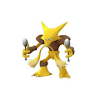 フーディン
フーディン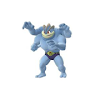 カイリキー
カイリキー ラプラス
ラプラス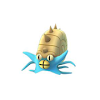 オムスター
オムスター カブトプス
カブトプス カビゴン
カビゴン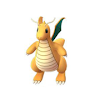 カイリュー
カイリュー近くに反応が出たら15分間とにかく走り回りましょう。全力疾走です。ポケモンダッシュ。走っている人がいたらついていくと以外とゲットできます。
レア度9
とても珍しいポケモンです。見かけることはまずありません。
 ニドクイン
ニドクイン ニドキング
ニドキング ニョロボン
ニョロボン ウツボット
ウツボット ゴローニャ
ゴローニャ サワムラー
サワムラー エビワラー
エビワラー ベロリンガ
ベロリンガ ラッキー
ラッキー ギャラドス
ギャラドス ポリゴン
ポリゴンレア度8
珍しいポケモンです。
 ライチュウ
ライチュウ サンドパン
サンドパン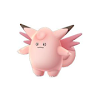 ピクシー
ピクシー キュウコン
キュウコン プクリン
プクリン ラフレシア
ラフレシア ジュゴン
ジュゴン イワーク
イワーク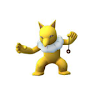 スリーパー
スリーパー マルマイン
マルマイン ガラガラ
ガラガラ マタドガス
マタドガス サイドン
サイドン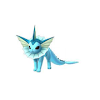 シャワーズ
シャワーズ サンダース
サンダース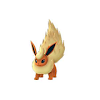 ブースター
ブースター プテラ
プテラレア度7
めったに出会えないポケモンです。進化できるポケモンは進化した方が早いです。
フシギソウ
リザード
カメール
バタフリー
スピアー
ピジョット
ウインディ
ユンゲラー
ゴーリキー
レアコイル
ベトベトン
パルシェン
ゴースト
キングラー
ナッシー
シードラ
スターミー
ルージュラ
エレブー
ブーバー
ハクリュー
レア度6
レア度6以上のポケモンはほとんど見かけないポケモンです。
進化できるポケモンは進化した方が早いです。
 ニドリーナ
ニドリーナ ニドリーノ
ニドリーノ ダグトリオ
ダグトリオ ペルシアン
ペルシアン オコリザル
オコリザル ニョロゾ
ニョロゾ ウツドン
ウツドン ドククラゲ
ドククラゲ ゴローン
ゴローン ギャロップ
ギャロップ アズマオウ
アズマオウ ストライク
ストライク オムナイト
オムナイト カブト
カブトレア度5
なかなか出会えないポケモンです。
 オニドリル
オニドリル アーボック
アーボック クサイハナ
クサイハナ パラセクト
パラセクト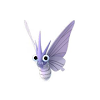 モルフォン
モルフォン ゴルダック
ゴルダック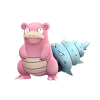 ヤドラン
ヤドラン ドードリオ
ドードリオ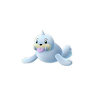 パウワウ
パウワウ ゲンガー
ゲンガー サイホーン
サイホーンレア度4
出会いにくいポケモンです。進化のため数使えるのは苦労します。
フシギダネ
ヒトカゲ
ゼニガメ
トランセル
コクーン
ピジョン
ラッタ
ピカチュウ
サンド
ピッピ
ロコン
プリン
ゴルバット
ガーディ
ケーシィ
ワンリキー
コイル
カモネギ
ベトベター
シェルダー
ゴース
スリープ
ビリリダマ
カラカラ
ドガース
カイロス
レア度3:普通のポケモン
普通に見つかるポケモンです。レア度1.2と比べて見つかりにくいので見かけたら捕まえておきたいポケモンです。
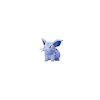 ニドラン♀
ニドラン♀ ニドラン♂
ニドラン♂ ディグダ
ディグダ ニャース
ニャース マンキー
マンキー ニョロモ
ニョロモ マダツボミ
マダツボミ メノクラゲ
メノクラゲ イシツブテ
イシツブテ ポニータ
ポニータ クラブ
クラブ タマタマ
タマタマ モンジャラ
モンジャラ タッツー
タッツー ヒトデマン
ヒトデマン イーブイ
イーブイ ミニリュウ
ミニリュウレア度2:そこそこ見かけるポケモン
そこそこ集めやすいポケモンです。
 オニスズメ
オニスズメ アーボ
アーボ ナゾノクサ
ナゾノクサ コンパン
コンパン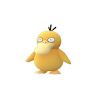 コダック
コダック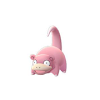 ヤドン
ヤドン ドードー
ドードー トサキント
トサキント気がつくと以外とアメがたまっています。レベル上げ補助要員としてついでに捕まえてあげましょう。
レア度1:よく見かけるポケモン
よく見かけるため集めて進化させやすいポケモンです。
 キャタピー
キャタピー ビードル
ビードル ポッポ
ポッポ コラッタ
コラッタ ズバット
ズバット コイキング
コイキングとにかくよくでてきます。レベル上げの経験値と強化用ほしのすな係です。面倒くさがらずに捕まえてあげましょう。